Spring Planning for Concrete Block Seawall Construction Projects
Spring is the ideal time for property owners to plan and connect with local contractors for durable concrete block seawall construction that enhances shoreline protection and property value.
Spring is often considered an ideal season to plan for concrete block seawall construction because the warmer weather and longer daylight hours create favorable conditions for outdoor building projects. During this time, property owners may find it easier to prepare their sites, coordinate with contractors, and complete foundational work before the more active summer months. Additionally, spring offers a chance to assess any winter-related damage or erosion, making it a practical season to address seawall improvements or replacements to ensure shoreline stability and protection throughout the year.
Typically, concrete block seawall construction services encompass site assessment, design planning, and the installation of durable, interlocking concrete blocks that serve as a robust barrier against water erosion. Local contractors often handle excavation, foundation preparation, and the precise placement of blocks to ensure structural integrity and alignment with shoreline contours. Many service providers also offer consultation on materials and design options to match the property's aesthetic and functional needs, helping property owners create a seawall that is both effective and visually appropriate for their landscape.
When comparing local options for concrete block seawall construction, property owners should consider the experience and reputation of service providers in their area. It can be helpful to review portfolios of past projects, inquire about the types of materials used, and understand the scope of services offered. Consulting with multiple contractors allows for a clearer picture of the approaches available and helps identify those with a proven track record of quality work and reliable project management. This process ensures that property owners can select a local contractor capable of delivering a seawall solution tailored to their shoreline’s specific conditions and needs.
Plan your spring seawall project by comparing local contractors to find the best fit for your needs.
- Expert Installation Services - Local contractors provide professional concrete block seawall construction tailored to shoreline conditions.
- Durable Material Options - Service providers can recommend and install high-quality concrete blocks designed for long-lasting seawalls.
- Customized Design Solutions - Local pros offer design options to meet specific shoreline protection and aesthetic needs.
- Seasonal Planning Assistance - Contractors can help plan seawall projects to align with spring weather and seasonal conditions.

Spring is a great time to plan your concrete block seawall project by clearly describing your needs before comparing local contractors’ options.
- Assess the site conditions - evaluate the shoreline stability and soil type to ensure proper foundation support for the seawall.
- Select appropriate concrete blocks - choose blocks that are durable, weather-resistant, and suitable for marine environments.
- Check for proper drainage considerations - ensure the design includes adequate drainage to prevent water buildup behind the seawall.
- Verify local regulations and permits - confirm that construction plans comply with any regional codes or permit requirements.
- Discuss installation methods with local contractors - inquire about the best techniques for secure and long-lasting seawall construction.
- Plan for seasonal weather impacts - consider spring weather conditions that could influence construction timing and material handling.
Explore how local contractors can help design and build effective concrete block seawalls this spring.
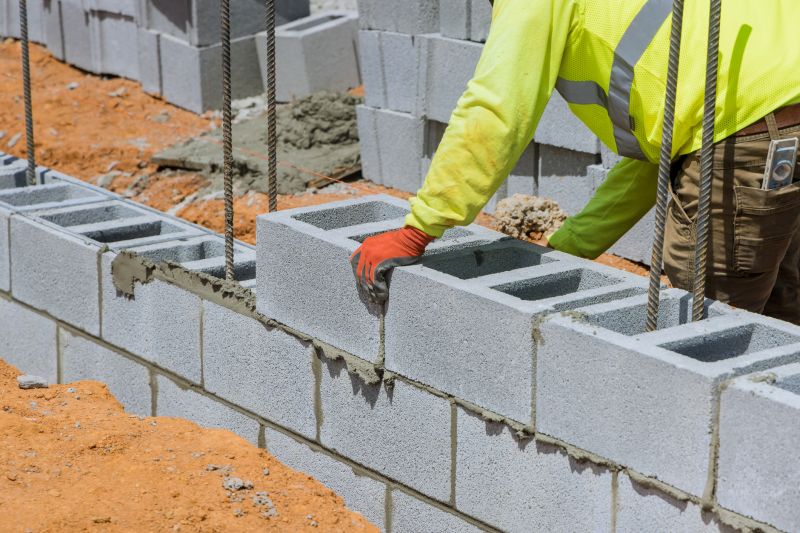
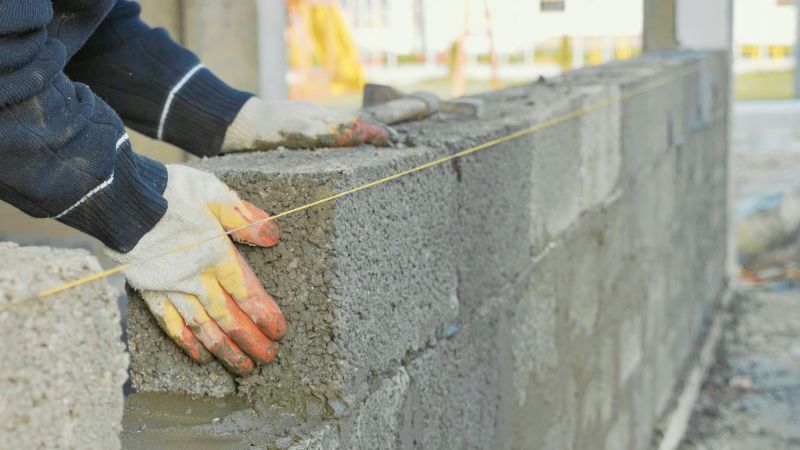
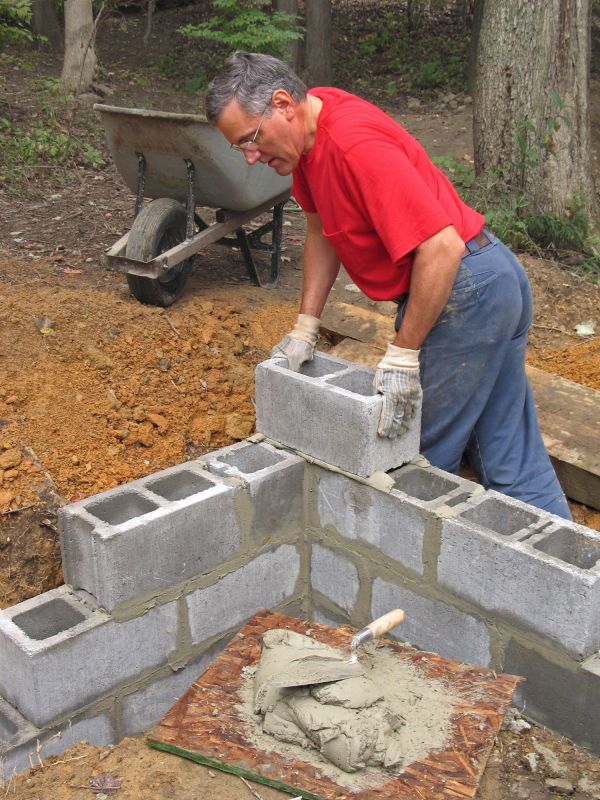
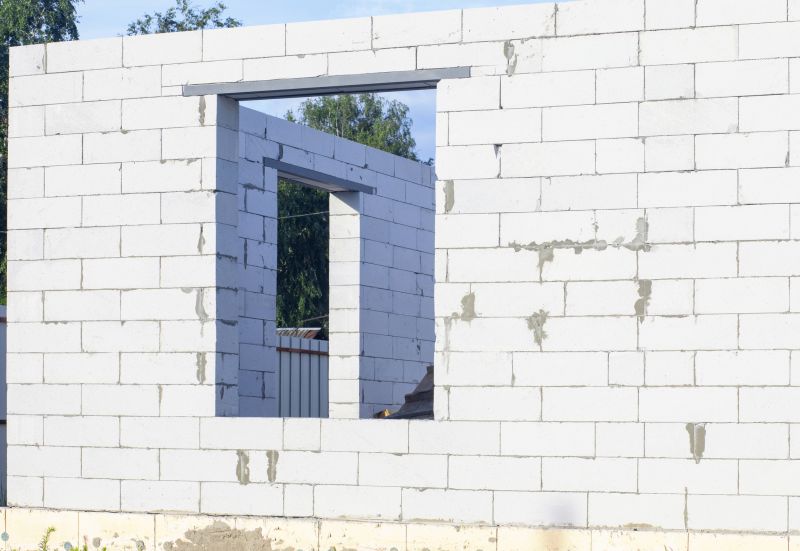
Evaluate your priorities and compare local contractors to find the best fit for your spring seawall project.
- Design Planning - Spring is a great time to evaluate shoreline protection needs and plan a concrete block seawall that enhances property safety and aesthetics. Local contractors can assist with designing a seawall that suits the specific coastal conditions.
- Material Selection - Choosing the right type of concrete blocks and construction materials is essential for durability and resistance to spring weather changes. Service providers can recommend suitable options for the local environment.
- Foundation Preparation - Preparing the shoreline and foundation is a key step in seawall construction, often best scheduled during spring’s milder weather. Local pros can handle site clearing and groundwork efficiently.
- Construction and Installation - Spring offers favorable conditions for the installation of concrete block seawalls, with service providers capable of managing the building process safely and effectively.
- Seawall Reinforcement - Springtime is ideal for reinforcing existing seawalls or adding upgrades to improve strength and longevity, with local contractors providing expert assistance.
Compare local contractors' scope building approaches for concrete block seawall construction to ensure consistent standards across providers.
- Project Scope - clearly define the extent of the concrete block seawall construction, including length, height, and design specifications.
- Site Conditions - assess the current site conditions such as soil stability, water levels, and access points to inform construction requirements.
- Material Specifications - specify the type, size, and quality of concrete blocks and other materials to be used in the seawall.
- Structural Requirements - outline the necessary structural features, including reinforcement, drainage, and foundation details.
- Permitting and Regulations - identify relevant local regulations and permits needed for seawall construction to ensure compliance.
When selecting service providers for concrete block seawall construction during the spring season, it is important to consider their experience with similar projects. Homeowners should look for local contractors who have a proven track record of building seawalls in environments comparable to their site, such as coastal or waterfront properties. An experienced professional will understand the unique challenges posed by soil conditions, water levels, and environmental factors common during spring, ensuring the seawall is designed and constructed to withstand seasonal changes and future conditions.
Clarity in the scope of work is essential when comparing local contractors for seawall projects. Homeowners are encouraged to seek providers who can clearly articulate the extent of the work involved, including site preparation, materials used, construction techniques, and any additional features or considerations. A well-defined scope helps prevent misunderstandings and ensures that all parties have aligned expectations, making the planning process smoother and more efficient as spring activities begin.
Work planning considerations are vital for a successful seawall project in the spring. Homeowners should evaluate how local service providers approach project scheduling, site logistics, and coordination to minimize disruptions and accommodate seasonal weather patterns. Contractors who demonstrate a thoughtful approach to planning are likely to anticipate potential challenges, such as spring rains or fluctuating water levels, and incorporate contingency measures into their work plans to maintain progress and quality.
When comparing options among local contractors, homeowners should focus on evaluating their experience, scope clarity, and planning approach rather than just prices. Asking detailed questions about past projects, project timelines, and how they handle unforeseen issues can provide insight into their professionalism and reliability. By considering these factors, homeowners can identify service providers capable of delivering a seawall that meets their needs and withstands the demands of the upcoming season, ensuring a well-executed project during the springtime.
Request written details to ensure project scope remains clear and consistent with your spring seawall plans.
- Concrete block seawall construction services-what scope and features do local contractors typically include?
- How do different providers compare in terms of materials, design options, and structural capabilities?
- What factors should be considered when defining the scope of a spring-focused seawall project?
- Which local contractors have experience with seawalls suitable for seasonal weather changes?
- How can choosing the right provider ensure the seawall meets specific site conditions and project goals?
What are the benefits of using concrete blocks for seawalls in spring projects? Concrete block seawalls provide durability and structural stability, making them a popular choice for protecting shoreline properties during seasonal changes and springtime water level fluctuations.
How do local contractors typically install concrete block seawalls? Experienced service providers usually prepare the site, lay a solid foundation, and carefully stack and secure the concrete blocks to ensure long-lasting protection against water and weather conditions.
Are concrete block seawalls suitable for different shoreline types? Yes, local contractors can assess various shoreline conditions and determine if concrete block seawalls are appropriate for specific locations, ensuring effective erosion control and stability.
What factors should be considered when planning a concrete block seawall in spring? Important considerations include the shoreline slope, water levels, soil stability, and seasonal weather patterns to ensure the seawall is properly designed and installed.
Can concrete block seawalls be customized for aesthetic preferences? Many local service providers offer options to customize the appearance of seawalls, allowing for different finishes or designs that complement the property’s landscape.
What maintenance is typically required for concrete block seawalls after installation? Regular inspections for damage, debris removal, and minor repairs help maintain the seawall’s effectiveness and longevity over time.
Spring is an ideal time to plan a concrete block seawall construction project, helping to protect shoreline properties and enhance outdoor spaces. Visitors have learned about the key considerations involved in seawall construction, including material selection, design options, and the importance of working with experienced local contractors who understand the unique challenges of coastal environments. This season offers a great opportunity to explore solutions that can provide long-lasting shoreline stability and aesthetic appeal.
To find the right fit for a seawall project, visitors are encouraged to use the quote form to compare local service providers. Connecting with trusted local contractors allows for tailored advice and options suited to specific needs. Taking the time to review local options can help ensure the project aligns with seasonal planning goals and overall property protection strategies.
Providing clear details about your concrete block seawall project helps local contractors understand your needs and connect you with suitable service providers.
- Project Details - Share information about the size, length, and location of the seawall project.
- Material Preferences - Describe the type of concrete blocks or specific materials you plan to use.
- Site Conditions - Provide details about the site, including access, terrain, and any existing structures.
- Additional Features - Mention any extra elements like reinforcement, drainage, or aesthetic considerations.