Get Concrete Retaining Wall Installation
Local contractors offer concrete retaining wall installation services that solve erosion, slope stability, and property boundary issues for various landscaping and structural projects.
If you’re considering a concrete retaining wall for your property, you’re in the right place to explore your options. Installing a retaining wall can be a practical solution for managing uneven terrain, preventing soil erosion, or defining outdoor spaces. Property owners in the area often look into this type of work to enhance both the functionality and appearance of their landscape. By reviewing local contractors who specialize in concrete retaining wall installation, you can compare approaches and find the right fit for your project needs.
Continuing with your planning process involves understanding the benefits of working with experienced service providers in the community. Local contractors bring valuable knowledge of the area’s soil conditions and regulations, helping to ensure a successful installation. As you explore your options, keep in mind that connecting with skilled professionals can provide insights into different design possibilities and construction methods. This can help you make informed decisions as you move forward with your property improvement plans.
- Residential properties - homeowners may need a concrete retaining wall to manage yard slopes or create level outdoor spaces.
- Commercial sites - businesses often require sturdy retaining walls to support landscaping or prevent soil erosion around their premises.
- Hilly terrains - properties on uneven land may need retaining walls to stabilize foundations and prevent landslides.
- Garden and landscape projects - landscape designers and homeowners might seek concrete walls for decorative or functional boundary features.
- Erosion control - areas prone to water runoff may benefit from concrete retaining walls to protect against soil loss and flooding.
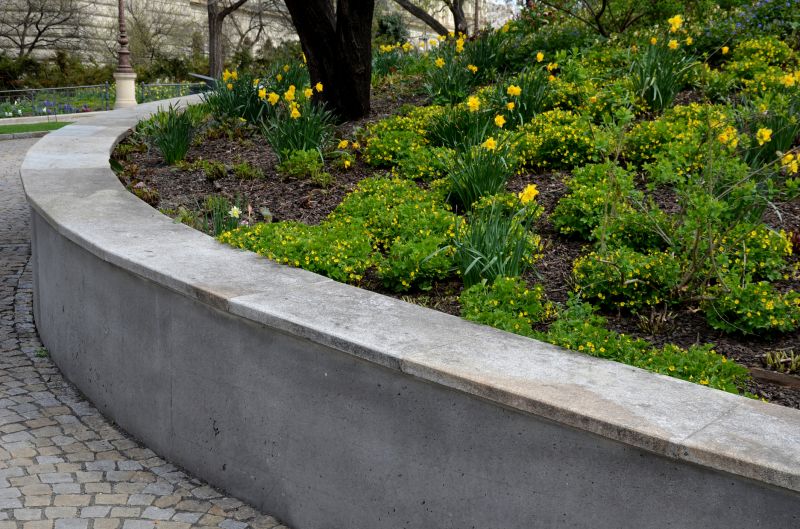
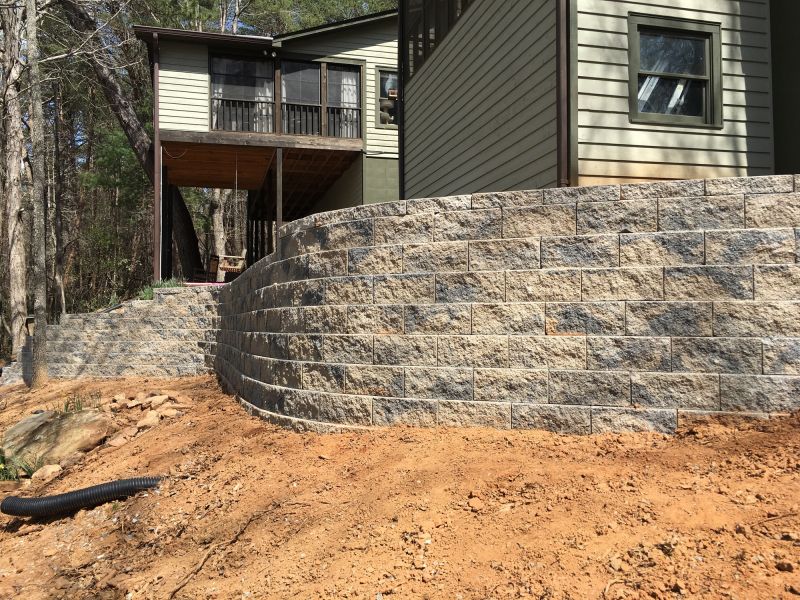
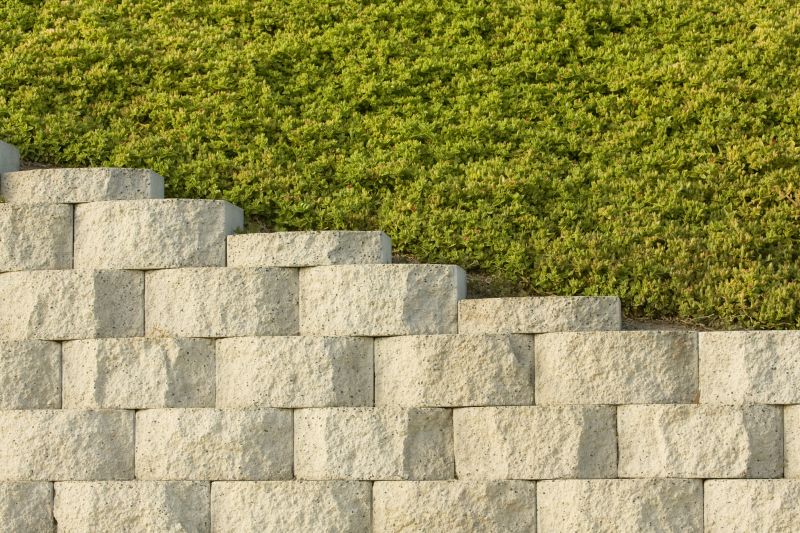
Concrete retaining wall installation involves constructing sturdy barriers designed to hold back soil and prevent erosion on sloped properties. These structures are typically built using precast or poured concrete, offering strength and durability to withstand various environmental conditions. Installation requires careful planning, excavation, and precise placement to ensure the wall functions effectively and integrates well with the landscape. Professional contractors can manage the entire process, from design considerations to the final build, ensuring the retaining wall meets both functional and aesthetic needs.
This service helps address common problems related to uneven terrain, soil erosion, and landscape stability. Without proper support, sloped yard areas can become prone to shifting or collapsing, especially after heavy rain or prolonged exposure to moisture. Concrete retaining walls provide a reliable solution by creating level spaces, preventing soil from washing away, and protecting foundations from water damage. They can also serve as a decorative feature, enhancing curb appeal while providing practical support for gardens, patios, or driveways.
Properties that typically benefit from concrete retaining wall installation include residential homes with sloped yards, commercial properties with uneven terrain, and public spaces that require erosion control. Homes situated on hills or with terraced landscaping often rely on these walls to create usable outdoor areas and prevent land movement. Commercial sites may use them to stabilize parking lots or outdoor storage areas, while parks and community spaces utilize them for both functional and aesthetic purposes.
Homeowners considering this service should look for local contractors experienced in retaining wall construction when facing issues like soil shifting, water runoff, or landscape instability. These structures can also be an effective solution for creating flat, level outdoor spaces on sloped land or for preventing erosion around foundations and gardens. Consulting with local service providers can help determine the best type of retaining wall for specific property needs, ensuring a durable and attractive solution that supports the landscape's long-term stability.
The overview below groups typical Concrete Retaining Wall Installation projects into broad ranges so you can see how smaller, mid-sized, and larger jobs often compare in your area.
In many markets, a large share of routine jobs stays in the lower and middle ranges, while only a smaller percentage of projects moves into the highest bands when the work is more complex or site conditions are harder than average.
Smaller Repairs - Typical costs for minor concrete retaining wall repairs range from $250 to $600. Many routine fixes fall within this range, though prices can vary based on the extent of damage and materials needed.
Standard Installation - Installing a standard concrete retaining wall generally costs between $3,000 and $7,000. Most projects in this category land in the middle of this range, with fewer reaching the higher end for larger or more complex designs.
Large or Custom Projects - Larger, more intricate concrete retaining wall installations can range from $7,000 to $15,000 or more. These projects often involve custom features or challenging site conditions that influence the overall cost.
Full Replacement - Replacing an existing concrete retaining wall typically costs $8,000 to $20,000, depending on the size and scope of the replacement. Many projects fall within the mid-range, with some larger or more complex replacements reaching higher prices.
Actual totals will depend on details like access to the work area, the scope of the project, and the materials selected, so use these as general starting points rather than exact figures.
Landscape Gardening Projects - Installing decorative or functional landscape features often requires similar planning, site preparation, and material handling as concrete retaining wall installation.
Foundation Construction - Building foundations involves excavation, soil assessment, and precise placement, skills that are essential for installing sturdy retaining walls.
Terracing and Slope Stabilization - Creating level terraces on sloped land involves designing and constructing retaining structures to prevent soil erosion and maintain stability.
Paving and Patio Installation - Laying pavers or concrete surfaces requires expertise in leveling, material placement, and surface finishing akin to retaining wall projects.
Drainage System Installation - Proper drainage planning and installation are critical for retaining wall longevity and are often integrated into these projects.
Site Excavation and Grading - Preparing land for construction or landscaping involves earthmoving skills that are directly applicable to retaining wall setup.
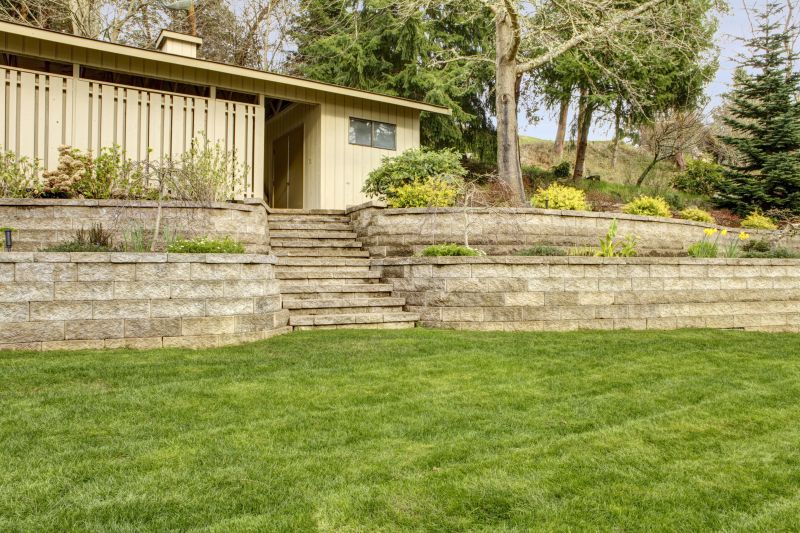
When comparing local contractors for concrete retaining wall installation, it’s important to consider their experience with similar projects. Homeowners should look for service providers who have a proven track record of completing retaining wall jobs comparable in size and complexity to their own property. Experienced local pros are more likely to understand the nuances of different soil types, drainage considerations, and structural requirements, which can contribute to a more durable and visually appealing result. Asking for examples of past projects or references can help gauge their familiarity with the specific challenges that might arise in the local area.
Clear written expectations are essential when evaluating potential service providers. Homeowners should seek detailed proposals that outline the scope of work, materials to be used, and the estimated process for installation. Having this information in writing helps prevent misunderstandings and ensures that both parties are aligned on project goals. Reputable local contractors are typically transparent about their approach and willing to provide comprehensive estimates, making it easier to compare options objectively and select a professional who clearly understands the homeowner’s vision.
Effective communication and reputable references are key indicators of a reliable contractor. Homeowners should prioritize local pros who are responsive to inquiries and willing to answer questions thoroughly. Additionally, seeking references from previous clients can provide insight into the contractor’s professionalism, reliability, and quality of work. Good communication fosters a smoother project experience, helping to address concerns promptly and ensuring that the project progresses as planned. It’s important to remember that the site introduces homeowners to local options and does not perform the work itself, so gathering detailed information directly from prospective service providers is a vital step in making an informed decision.
Property owners use Concrete Retaining Wall Installation services for practical projects around their homes and businesses. This guide focuses on everyday jobs and straightforward project options.
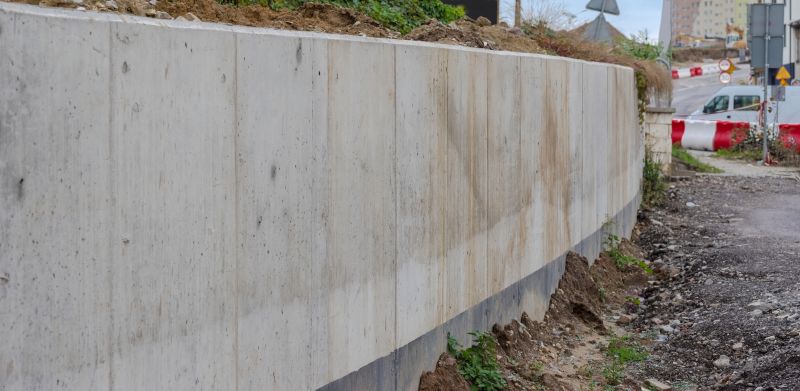
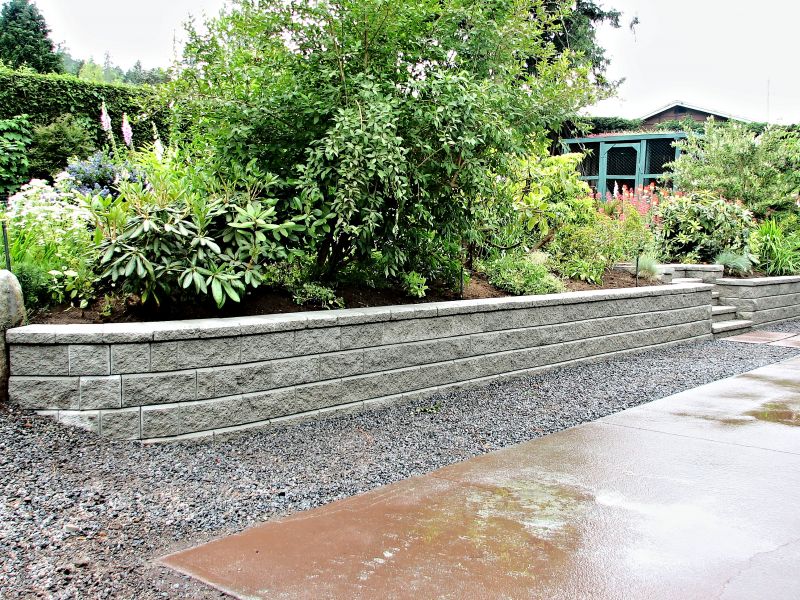
Concrete retaining wall installation is a common project for property owners looking to manage land contours, prevent soil erosion, or create level outdoor spaces. Local contractors are often called upon when homeowners need to stabilize slopes or define garden beds, especially in areas where the terrain has become uneven or where landscaping requires structural support. These projects can also arise from the need to improve drainage or to add privacy and separation between different parts of a yard or property.
Homeowners may seek concrete retaining wall services when planning outdoor renovations, such as expanding patios or creating terraces. Property owners might also look for these services to address issues caused by shifting soil or weather-related ground movement. Local service providers can assist with solutions that enhance both the functionality and appearance of outdoor spaces, making them more usable and visually appealing.
What are concrete retaining walls used for? Concrete retaining walls are used to hold back soil, prevent erosion, and create level areas in landscaping or construction projects.
How do I know if a concrete retaining wall is suitable for my property? A local contractor can assess your site conditions and advise on whether a concrete retaining wall is appropriate for your needs.
What types of finishes are available for concrete retaining walls? Concrete retaining walls can be finished with textures, colors, or decorative patterns to complement the surrounding landscape or architecture.
Are there different styles of concrete retaining walls? Yes, options include poured-in-place, precast, and segmental retaining walls, each with distinct installation methods and aesthetic qualities.
What factors influence the durability of a concrete retaining wall? Proper design, quality materials, and skilled installation by local service providers contribute to the longevity of a concrete retaining wall.
Garden Landscape Edging - A concrete retaining wall can define garden beds and create clean separation between different landscaping areas.
Erosion Control Solutions - Installing a retaining wall helps prevent soil erosion on slopes and hillside properties.
Leveling Sloped Areas - Local contractors can build retaining walls to create level patios or walkways in uneven yards.
Property Boundary Support - Retaining walls can serve as durable boundary markers and provide additional privacy around a property.
If you are thinking about Concrete Retaining Wall Installation for a property, this guide is meant to help you understand the work, the typical project types, and how different options might fit your plans.
When you are ready, you can use the quote form on this page to share a few details about your project. From there, local pros can review the basics and respond with options that match what you have in mind.